The Future of the European Textile Industry: Circularity, Technology, and Skills for the Next Decade

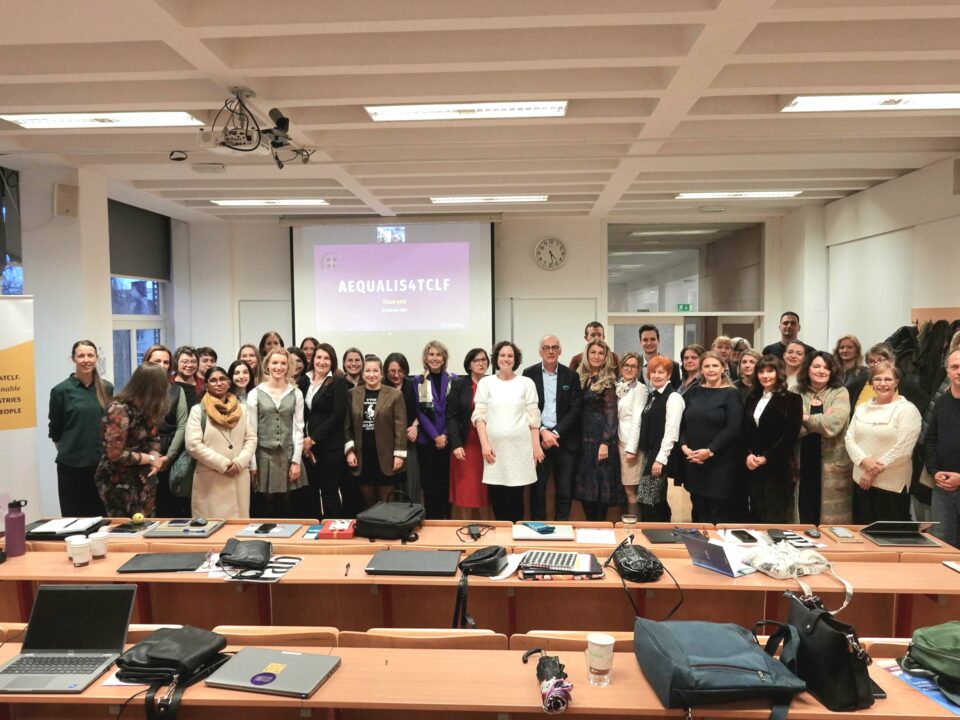
Consortium Meeting of the Aequalis4TCLF Project in Ljubljana
March 20, 2026
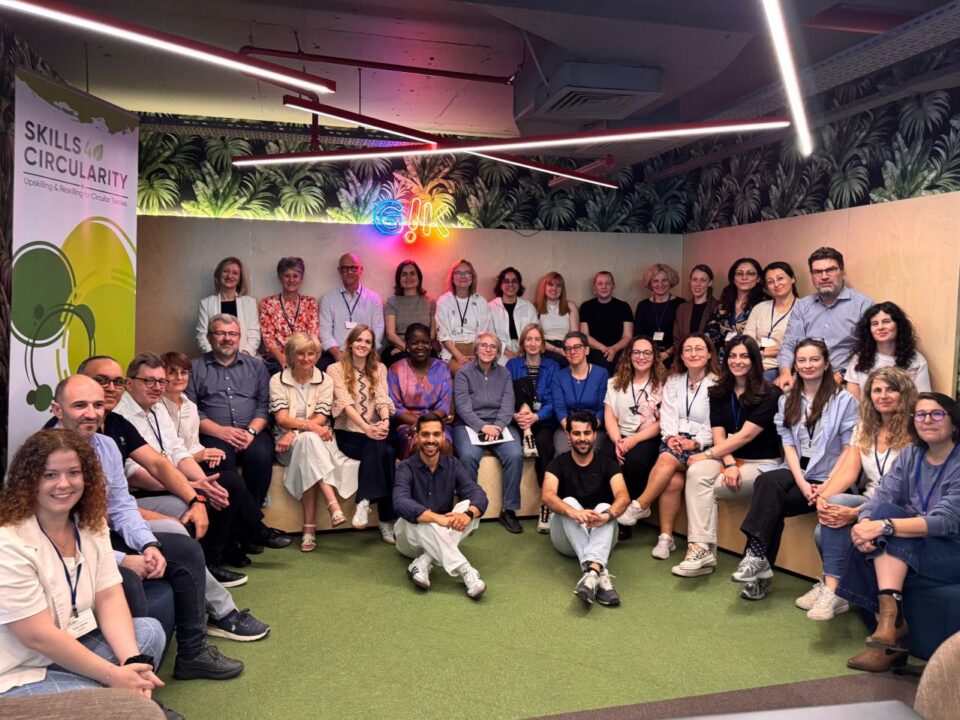
Skills4Circularity Consortium Meets in İzmir
May 3, 2026
 The Twin Transition
The European textile and clothing industry is entering a period of significant transformation. Between 2025 and 2030, the sector will undergo what is often referred to as the “Twin Transition”, a shift toward both sustainability and digitalisation. This transition is not only changing production technologies but also redefining business models, workforce skills, and the entire lifecycle of textile products.
For decades, textile production followed a linear model: products were manufactured, sold, used, and eventually discarded. Today, this approach is being replaced by a circular model, where garments are designed to last longer, be repaired or reused, and ultimately recycled. This new paradigm, often described as “Fashion 5.0,” integrates digital technologies such as artificial intelligence (AI), the Internet of Things (IoT), and blockchain to enable more efficient, transparent, and sustainable production systems.
Skills Gap in the Textile Sector
One of the most pressing challenges is the growing skills gap. Around 36% of employees in the European textile sector are over the age of 50, raising concerns about the loss of valuable expertise as experienced workers retire. At the same time, companies increasingly require employees with digital and sustainability related competencies, which remain limited in the current labour market.
This issue is particularly critical among small and medium-sized enterprises (SMEs), which represent the majority of textile companies in Europe. Although 85% of SMEs recognise the need for green skills, only about 13% of workers currently hold higher-level qualifications. This mismatch slows the adoption of new technologies and sustainable production practices.
Technology & Circular Models
Technological innovation and circular business models are key drivers of transformation in the textile sector. Circular approaches such as clothing rental, repair services, and resale platforms are extending the life of garments and reducing waste. At the same time, companies are also shifting to on demand and locally nearby production models to improve efficiency.
Advanced technologies, including 3D virtual prototyping and digital twins allow companies to design and test garments digitally, reducing the need for physical samples and minimising material waste. In parallel, Digital Product Passports technologies are improving supply chain transparency, enabling both companies and consumers to trace products from origin to end of life.
Regulatory measures are pushing the industry to adapt faster. European initiatives are introducing stricter requirements for product design, environmental impact, and waste management. Measures such as ecodesign requirements and Extended Producer Responsibility (EPR) systems are pushing companies to rethink how products are developed and managed throughout their lifecycle.
Future Jobs
These structural changes are reshaping the labour market within the textile sector. Demand for routine manufacturing roles is gradually decreasing, while the need for hybrid roles combining digital and sustainability expertise is increasing.
Emerging professional profiles include circular design specialists, sustainability and circular economy managers, Digital Product Passport and traceability experts, data scientists and AI analysts, recycling and automated sorting technicians, advanced textile engineers, and 3D garment technologists. Additional roles such as sustainability compliance officers, smart maintenance technicians, and reverse logistics managers are also expected to grow in importance.
To support this transition, education and training systems must evolve. Upskilling and reskilling initiatives will be essential, alongside updates to vocational and higher education curricula. Key competencies will include life cycle assessment, eco-design, circular business models, and digital manufacturing technologies. Flexible learning approaches, such as microcredentials and modular training, will play an important role, particularly for SMEs.
Why It Matters
Europe’s textile sector is transforming not only industrially but also to meet social and environmental needs. The sector is responsible for approximately 8–10% of global carbon emissions, as well as significant water pollution and microplastic release. Addressing these impacts has become a priority for policymakers, industry leaders, and consumers.
At the same time, younger generations are increasingly prioritising sustainable and responsible consumption, further accelerating change within the industry.
The European textile sector is therefore not simply adapting, it is reinventing itself. The transition toward circularity, digital innovation, and sustainable production offers an opportunity to build a more resilient and competitive industry. Achieving this vision will require strong collaboration between industry, policymakers, and education providers, as well as sustained investment in skills for the future.
This article is based on insights from the Skills4Circularity project report “Review of Existing Foresight Studies and Trend Analysis” developed within Task T2.1. The summarized findings aim to support discussion on the future development of skills, sustainability, and circularity in the European textile sector.
Research and deliverable carried out in the scope of Skills4Circularity; [ERASMUS-EDU-2025-PI-ALL-INNO-BLUEPRINT]by Ing. Gabriela Krupincová, Ph.D. (Technical University of Liberec). Article summary for publication: Vesna Ferlič ing. textile (Slovenian Textile Association)
04/28/2026

 Technical University Liberec
Funded by the European Union. Views and opinions expressed are however those of the author(s) only and do not necessarily reflect those of the European Union or European Education and Culture Executive Agency (EACEA). Neither the European Union nor the granting authority can be held responsible for them.